Category: Health & Wellness

  • Nutrition Tips for Busy Professionals to Boost Productivity

    Nutrition Tips for Busy Professionals to Boost Productivity

    Did you know that your brain consumes nearly 20% of your body’s total energy, even though it accounts for only 2% of your weight? When you face a demanding schedule, the fuel you choose determines whether you thrive or simply survive the afternoon slump.

    Adopting effective nutrition tips for busy professionals is not just about dieting; it is about fueling your cognitive engine. By selecting the right food groups, you can maintain sharp mental clarity and steady stamina throughout your entire workday.

    This guide offers actionable advice to help high-performing individuals optimize their daily output. Implementing these simple strategies ensures your body receives the essential nutrients required for peak performance. Mastering these nutrition tips for busy professionals will help you reclaim your focus and manage your time with greater ease.

    Key Takeaways

    • The brain requires consistent energy to maintain high-level cognitive function.
    • Strategic food choices prevent the common afternoon energy crash.
    • Specific nutrients directly improve mental clarity and decision-making speed.
    • Small dietary adjustments lead to significant gains in daily output.
    • Proper hydration and balanced meals are essential for sustained focus.

    Essential Nutrition Tips for Busy Professionals

    Mastering your daily nutrition is essential for maintaining peak performance in a demanding workplace. Adopting healthy eating tips allows you to stay sharp during long meetings and high-pressure projects. A balanced diet for working individuals serves as the foundation for both physical stamina and mental clarity.
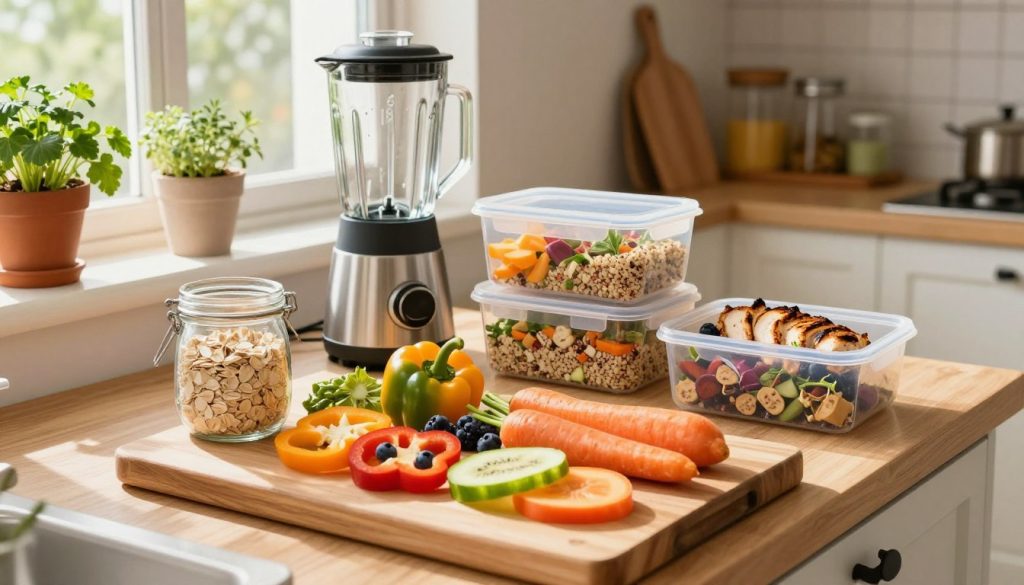
    A vibrant and inviting kitchen workspace filled with healthy foods and meal prep essentials, capturing the essence of nutritious eating tips for busy professionals. In the foreground, a large wooden cutting board is spread with colorful, sliced fruits and vegetables like bell peppers, carrots, and berries, alongside a glass jar of overnight oats. In the middle, a well-organized countertop features a blender and meal prep containers, showcasing balanced portions of quinoa salad and grilled chicken. The background includes potted herbs on the windowsill, warmly lit by natural sunlight filtering through sheer curtains. The atmosphere is cheerful and energizing, emphasizing health and productivity. Use a wide-angle lens to capture the entire scene, highlighting the details and textures of the food while creating a cozy, motivating environment.

    Prioritizing Hydration for Cognitive Function

    Even mild dehydration can lead to significant brain fog and a noticeable drop in concentration. When you are busy, it is easy to forget to drink water until you feel thirsty. Staying hydrated is one of the simplest ways to keep your mind alert and ready for complex tasks.

    Try keeping a reusable water bottle at your desk as a visual reminder. If plain water feels boring, add a slice of lemon or cucumber for a refreshing twist. Proper fluid intake ensures your brain functions at its best throughout the entire workday.

    Balancing Macronutrients to Avoid Afternoon Slumps

    Many professionals experience a mid-afternoon energy crash that ruins their productivity. This often happens when blood sugar levels spike and then plummet after a heavy, processed lunch. Stabilizing your energy requires a thoughtful approach to your macronutrient intake.

    The Role of Complex Carbohydrates

    Complex carbohydrates provide a steady release of glucose into your bloodstream. Unlike simple sugars, these foods offer sustained energy that lasts for hours. Opt for whole grains like quinoa, brown rice, or oats to keep your focus consistent.

    Incorporating Lean Proteins for Sustained Energy

    Lean proteins are vital for keeping you full and preventing mindless snacking. Including sources like grilled chicken, tofu, or Greek yogurt in your meals helps maintain muscle mass and cognitive function. By pairing these proteins with fiber-rich vegetables, you create a balanced diet for working individuals that supports your professional goals.

    Streamlining Your Meal Planning and Prep

    Streamlining your culinary habits allows you to fuel your body without sacrificing precious hours. Effective meal planning for busy schedules transforms the kitchen from a source of stress into a hub of productivity. By organizing your approach, you ensure that healthy choices remain the easiest ones to make throughout your hectic work week.

    Batch Cooking Strategies for the Work Week

    Batch cooking involves preparing large portions of staple ingredients or full meals at once. This method provides you with quick and easy recipes that are ready to heat and eat when you return home exhausted. Dedicating just two hours on a Sunday can save you significant time during the busy week ahead.

    “The secret of getting ahead is getting started.”

    Mark Twain

    Utilizing Time-Saving Kitchen Appliances

    Modern technology offers excellent time-saving meal prep ideas that minimize active cooking time. Investing in the right tools allows you to automate parts of your nutrition routine. These devices work in the background, freeing you to focus on your professional tasks.

    Maximizing Efficiency with Slow Cookers

    Slow cookers are perfect for professionals who want a hot meal waiting for them after a long day. Simply add your proteins, vegetables, and seasonings in the morning, and let the appliance do the work. This hands-off approach ensures you always have a nutritious dinner ready without any evening effort.

    The Benefits of High-Speed Blenders for Morning Smoothies

    High-speed blenders are essential for creating nutrient-dense breakfasts in seconds. You can pack greens, fruits, and protein powders into a single cup for a portable meal. This is an ideal solution for those who struggle to find time for a sit-down breakfast before heading to the office.

    Smart Grocery Shopping Habits

    Consistent eating well on a tight schedule relies heavily on having the right ingredients available. Avoid the trap of last-minute store runs by maintaining a well-stocked pantry and a clear shopping list. Use the following table to organize your essential kitchen staples for maximum efficiency.

    Category Staple Item Benefit
    Proteins Canned Beans Long shelf life
    Grains Quinoa Fast cooking time
    Produce Frozen Spinach Pre-washed and ready
    • Keep a digital list on your phone to track items as they run out.
    • Shop during off-peak hours to avoid long lines and crowded aisles.
    • Focus on buying versatile ingredients that work across multiple meals.

    Quick and Healthy Office Snack Strategies

    Smart snacking is one of the most effective nutrition hacks for busy days in a corporate environment. By planning ahead, you can easily avoid the temptation of processed vending machine items that lead to energy spikes and sudden crashes.

    Selecting Nutrient-Dense Grab-and-Go Options

    Focusing on whole foods ensures that your body receives sustained fuel rather than empty calories. Choose snacks that combine fiber, protein, and healthy fats to keep your focus sharp until your next meal.

    “The quality of your fuel directly dictates the quality of your output during the workday.”

    Building a Desk-Friendly Snack Stash

    Creating a dedicated space for your snacks is essential for staying healthy at work. Whether you have a small drawer or a shared fridge, having options ready prevents impulsive choices.

    Non-Perishable Staples to Keep in Your Drawer

    Keep items that are shelf-stable and easy to grab. Good examples include raw almonds, roasted chickpeas, or individual packets of nut butter. These items provide consistent energy without requiring any preparation.

    Refrigerated Essentials for the Office Kitchen

    If your office has a communal fridge, utilize it for fresh items. Greek yogurt, hummus cups, and pre-cut vegetable sticks are excellent choices. These refrigerated staples offer a refreshing crunch and high protein content.

    Snack Category Healthy Choice Vending Alternative
    Crunchy Roasted Chickpeas Potato Chips
    Creamy Greek Yogurt Sugary Pudding
    Sweet Fresh Berries Candy Bar

    Avoiding Common Workplace Nutrition Pitfalls

    Navigating office social events or long hours often presents challenges to your wellness goals. One of the best healthy eating tips is to eat a small, balanced snack before attending a catered meeting or lunch event.

    This simple step helps you arrive at the table feeling satisfied rather than ravenous. Mindful eating during these times allows you to enjoy the social aspect without overindulging in less nutritious options.

    Conclusion

    Your daily output depends heavily on the fuel you provide your body. Small shifts in your eating habits create lasting improvements in your mental clarity and physical stamina.

    Brands like Hydro Flask make it easy to track your water intake throughout a busy day. Choosing high-quality snacks from companies like KIND or RXBAR ensures you get clean energy without the typical sugar crash.

    Pick one habit to adjust this week. Notice how your focus sharpens when you provide your brain with the right nutrients. Consistent effort leads to better results in your career and your personal life.

    Share your favorite healthy office snack with a colleague today. Building a supportive environment helps everyone stay on track with their wellness goals. Your journey toward peak performance starts with the very next meal you choose.
    FAQ

    How can I effectively start implementing nutrition tips for busy professionals without feeling overwhelmed?

    The best way to begin is by making small, sustainable changes. Start with one or two nutrition hacks for busy days, such as carrying a Hydro Flask to prioritize hydration or dedicated 15 minutes on Sunday to outline meal planning for busy schedules. Focusing on staying healthy at work starts with these minor adjustments that lead to long-term habits.

    What are some time-saving meal prep ideas for a high-pressure work week?

    Batch cooking is your best friend. Prepare large portions of versatile staples like brown rice or roasted vegetables over the weekend. Utilizing a Crock-Pot for slow-cooked stews or a Vitamix for quick and easy recipes like morning smoothies can significantly reduce your time in the kitchen while ensuring you have a balanced diet for working individuals ready to go.

    How can I avoid the common mid-afternoon energy slump while at the office?

    To maintain steady energy, focus on balancing your macronutrients during lunch. Combine complex carbohydrates with lean proteins, such as a salad topped with Starkist tuna or grilled chicken. This combination prevents the blood sugar spikes and crashes often associated with heavy, carb-only meals, making it one of the most effective healthy eating tips for cognitive performance.

    What are the best nutrient-dense grab-and-go options for a desk-friendly snack stash?

    For eating well on a tight schedule, keep non-perishable staples like Blue Diamond almonds, RXBARs, or dried chickpeas in your desk drawer. If you have access to a refrigerator, stock it with Chobani Greek yogurt or pre-cut veggies. These options provide the fuel needed to avoid the temptation of processed snacks from the vending machine.

    How do I manage staying healthy at work during long hours or unexpected meetings?

    Preparation is the ultimate strategy for staying healthy at work. Always keep a “backup meal” or high-protein snack in your bag for those days when meetings run long. Additionally, staying hydrated with water or San Pellegrino can help manage hunger cues and keep your brain sharp during extended sessions, proving that nutrition tips for busy professionals are as much about timing as they are about food choice.
  • Beginner-Friendly Home Workout Ideas to Get You Moving

    Beginner-Friendly Home Workout Ideas to Get You Moving

    Did you know that adding just fifteen minutes of movement to your daily routine can boost your energy levels by nearly 20%? Many people feel overwhelmed by complex fitness trends, but consistency matters far more than intensity. Starting your journey does not require a gym membership or expensive gear.

    Our beginner fitness guide simplifies the process by focusing on movements you can perform in your living room. We believe that finding the right Beginner-Friendly Home Workout Ideas is the secret to long-term health. By choosing simple routines, you build a sustainable habit that lasts for years.

    You will discover various workout ideas for newbies that require minimal time and equipment. Small, manageable steps lead to significant results over time. Let us help you take that first step toward a healthier version of yourself today.

    Key Takeaways

    • Small daily movements significantly improve your overall energy and mood.
    • Consistency is the most important factor for long-term physical health.
    • You do not need expensive equipment to start an effective routine.
    • Starting with simple exercises helps you build a sustainable habit.
    • Our guide provides accessible options tailored for those just beginning.

    Getting Started with Beginner-Friendly Home Workout Ideas

    Building a sustainable fitness habit begins with a clear assessment of where you stand today. When you explore Beginner-Friendly Home Workout Ideas, the goal is to create a routine that fits your lifestyle rather than forcing your life to fit the exercise. Taking these initial steps ensures that your journey remains enjoyable and effective.

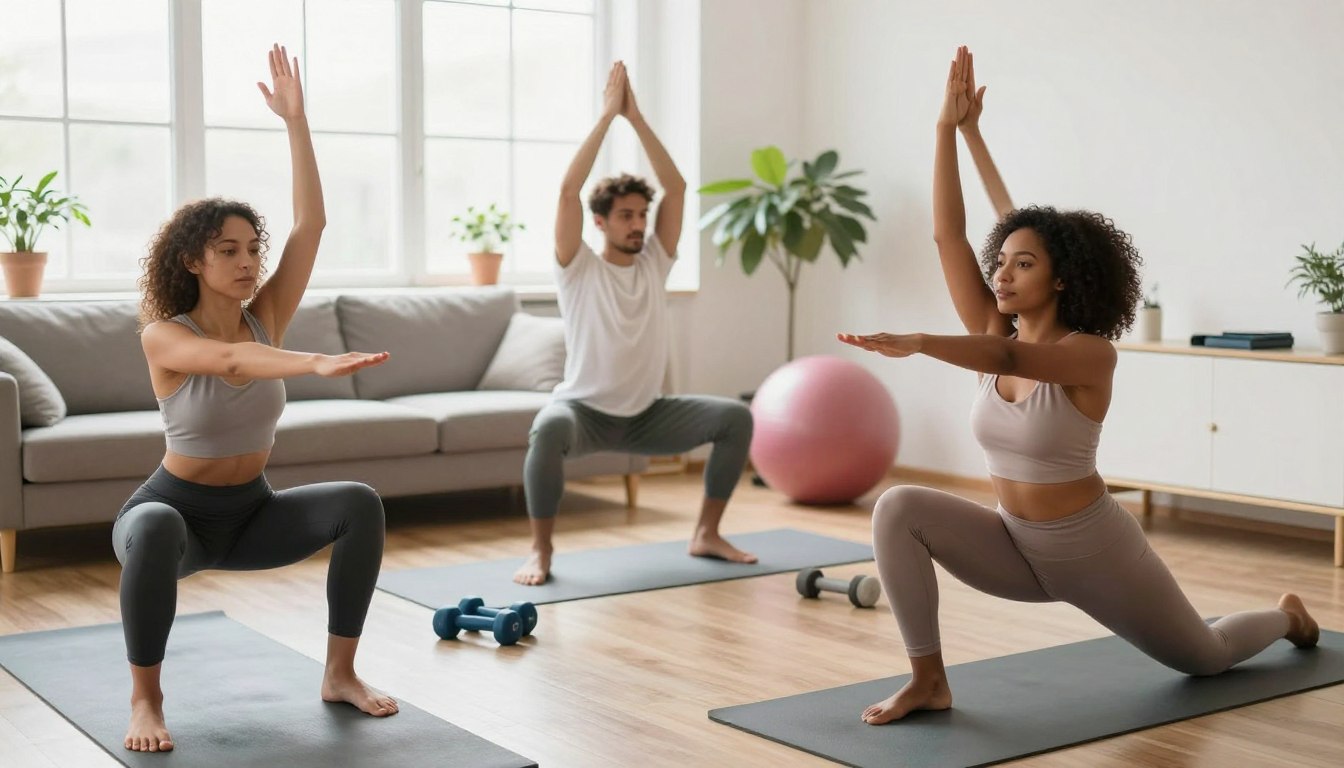
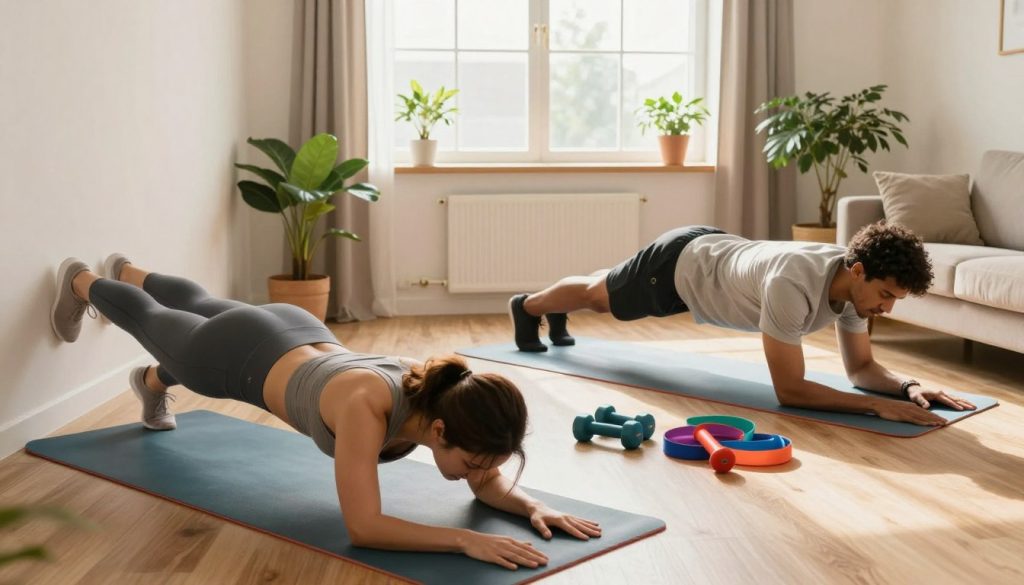
    A cozy, well-lit living room setting where a diverse group of individuals, dressed in comfortable athletic wear, is actively engaged in beginner-friendly home workouts. In the foreground, a woman is performing a gentle yoga pose on a colorful mat, while a man next to her is doing simple bodyweight exercises, like push-ups, against a wall. The middle ground features a small assortment of workout equipment, like dumbbells and resistance bands, neatly organized. In the background, a large window allows warm, natural light to flood the room, creating a cheerful and motivating atmosphere. Potted plants add a touch of greenery, enhancing the inviting, energetic vibe of home fitness. The overall composition feels fresh, encouraging, and uplifting, making fitness feel accessible for everyone.

    Assessing Your Current Fitness Level

    Before you begin, take a moment to evaluate your current stamina and strength. You do not need expensive tools to understand your baseline; simply observe how your body reacts to basic movements like walking or climbing stairs. Listening to your body is one of the most important simple workout tips you can follow.

    If you feel winded after a short walk, start with low-impact movements. Choosing easy workouts for beginners allows you to build a solid foundation without risking injury. Use the following table to help identify where you might fit in your current fitness journey.

    Fitness Level Activity Focus Recommended Frequency
    Sedentary Light stretching and walking 2-3 days per week
    Active Beginner Bodyweight movements 3-4 days per week
    Intermediate Strength and endurance 4-5 days per week

    Setting Realistic and Sustainable Goals

    Setting goals that are too ambitious often leads to burnout and frustration. Instead, focus on small, incremental wins that keep you motivated over the long term. A beginner fitness guide should always emphasize consistency over intensity during the first few weeks.

    Try to set specific targets, such as completing three short sessions per week. By keeping your objectives manageable, you ensure that exercise becomes a natural part of your daily routine. Remember that progress is a marathon, not a sprint, and every small effort counts toward your overall health.

    Essential Equipment and Space Preparation

    Transforming a small corner of your living space into a functional area is the first step toward success. You do not need a massive gym to implement beginner-friendly home workout ideas effectively. By clearing a modest footprint, you create a sanctuary that encourages movement and consistency.

    Creating a Dedicated Workout Zone

    Designating a specific spot for your fitness routine helps your brain associate that area with physical activity. Even a small space in your living room or bedroom works perfectly if it is free from clutter. Follow these simple workout tips to optimize your environment:

    • Ensure you have enough clearance to extend your arms and legs fully.
    • Choose a spot with good lighting and ventilation to keep your energy high.
    • Keep your gear organized nearby so you can start your session without delay.

    Minimalist Gear for Effective Home Training

    Starting a home workout for beginners does not require expensive machines or heavy equipment. You can achieve impressive results using just your body weight and a few basic items. Focus on quality over quantity to keep your setup manageable and affordable.

    Using Household Items as Weights

    You can easily turn common household objects into effective resistance tools. Sturdy water bottles or heavy canned goods serve as excellent lightweight dumbbells for arm exercises. Using these items allows you to increase intensity without spending money on professional gym gear.

    Selecting the Right Footwear and Mat

    Safety is the most important aspect when you exercise at home. A high-quality, non-slip mat provides the necessary cushioning to protect your joints during floor movements. Additionally, wearing supportive athletic shoes helps maintain proper alignment and prevents unnecessary strain on your feet and ankles.

    Step-by-Step At-Home Exercise Routines

    Mastering the fundamentals of movement is the secret to building a sustainable and effective fitness routine at home. By focusing on proper form, you ensure that your at-home exercises remain safe and productive over the long term.

    Warm-Up Exercises to Prevent Injury

    Never skip your warm-up, as it prepares your body for the physical demands ahead. A good warm-up increases blood flow to your muscles and improves joint mobility, which is essential for easy workouts for beginners.

    Try five minutes of light movement, such as marching in place, arm circles, or gentle torso twists. This simple preparation helps you avoid strains and keeps your body feeling limber throughout your session.

    Core Strength and Bodyweight Movements

    Building a solid foundation starts with mastering basic bodyweight movements. These home workout routines are designed to target multiple muscle groups simultaneously, providing a full-body challenge without needing heavy weights.

    Performing Proper Squats and Lunges

    Squats are a powerhouse move for your lower body. Keep your chest up, feet shoulder-width apart, and sit back as if you are lowering yourself into an invisible chair.

    Lunges require balance and control. Step forward with one leg and lower your hips until both knees are bent at a 90-degree angle, ensuring your front knee stays aligned with your ankle.

    Mastering the Beginner Push-Up

    The push-up is a classic home workout for beginners that builds upper body strength. If a standard push-up feels too difficult, start by performing them against a sturdy wall or on your knees.

    “Fitness is not about being better than someone else; it is about being better than you were yesterday.”

    Khloe Kardashian

    Cool-Down and Stretching Techniques

    Cooling down is just as important as the workout itself. Spend five minutes performing static stretches to help your heart rate return to normal and improve your overall flexibility.

    Focus on holding each stretch for 20 to 30 seconds without bouncing. This practice reduces muscle soreness and helps you recover faster for your next session.

    Exercise Type Primary Benefit Recommended Duration
    Warm-Up Injury Prevention 5 Minutes
    Bodyweight Squats Leg Strength 3 Sets of 10
    Beginner Push-Ups Upper Body Tone 3 Sets of 8
    Static Stretching Flexibility 5 Minutes

    Conclusion

    Building a healthier version of yourself starts with the small choices you make every single day. Consistency remains the most powerful tool in your fitness toolkit. By prioritizing simple at-home exercises, you create a foundation that supports your long-term physical well-being.

    You can easily integrate effective home workout routines into your busy schedule. These habits turn the chore of movement into a rewarding part of your lifestyle. When you choose to exercise at home, you remove common barriers like travel time or expensive gym memberships.

    Keep exploring fresh workout ideas for newbies to stay motivated and engaged. Tracking your progress helps you see how far you have come since day one. Small wins add up to significant changes over time. Share your favorite movements with friends or join local fitness groups to stay accountable. Your journey toward a stronger body is a personal victory that deserves your full attention and dedication.

    FAQ

    How do I begin my fitness journey if I’ve never exercised before?

    The best way to start is by following a structured beginner fitness guide that emphasizes starting small. Focus on simple workout tips, such as incorporating movement into your daily routine for just 10 to 15 minutes. By choosing easy workouts for beginners, you can build a sustainable habit without feeling overwhelmed or discouraged.

    Can I really get results using at-home exercises without a gym membership?

    Absolutely! Many people achieve incredible results through exercise at home. By utilizing your own body weight for resistance or following structured home workout routines, you can improve your strength, flexibility, and cardiovascular health. Consistency is far more important than a fancy gym setting.

    What are some beginner-friendly home workout ideas for people with limited space?

    If you have enough room for a Manduka yoga mat, you have enough room to exercise! Focus on stationary at-home exercises like squats, lunges, planks, and glute bridges. These movements require very little square footage but offer high-impact results for your overall fitness.

    What basic equipment do I need for a home workout for beginners?

    You don’t need much to get started. A supportive mat and a pair of comfortable cross-training shoes, such as Nike Air Zoom trainers, are great basics. For resistance, you can even use household items as weights, such as heavy water bottles or laundry detergent jugs, to add challenge to your beginner-friendly home workout ideas.

    How can I ensure my home workout routines are safe for my joints?

    Safety starts with a proper warm-up to prep your muscles and a cool-down to help with recovery. Pay close attention to your form during at-home exercises—keep your back straight and your core engaged. If you are unsure about your technique, many workout ideas for newbies are available on platforms like Peloton or YouTube, where certified instructors demonstrate the correct movements.

    How long should easy workouts for beginners typically last?

    When you are just starting out, quality is better than quantity. Aim for 20 to 30 minutes per session. This timeframe allows you to complete a thorough warm-up, a circuit of home workout routines, and a relaxing stretch without causing excessive fatigue or burnout.

    Where can I find more workout ideas for newbies that are easy to follow?

    There are many fantastic resources available online. You can follow popular instructors like Adriene Mishler for yoga or check out the FitOn app for a variety of beginner-friendly home workout ideas. These platforms provide clear, step-by-step instructions that make exercise at home both fun and accessible.